

Creatine Monohydrate – 5 grams
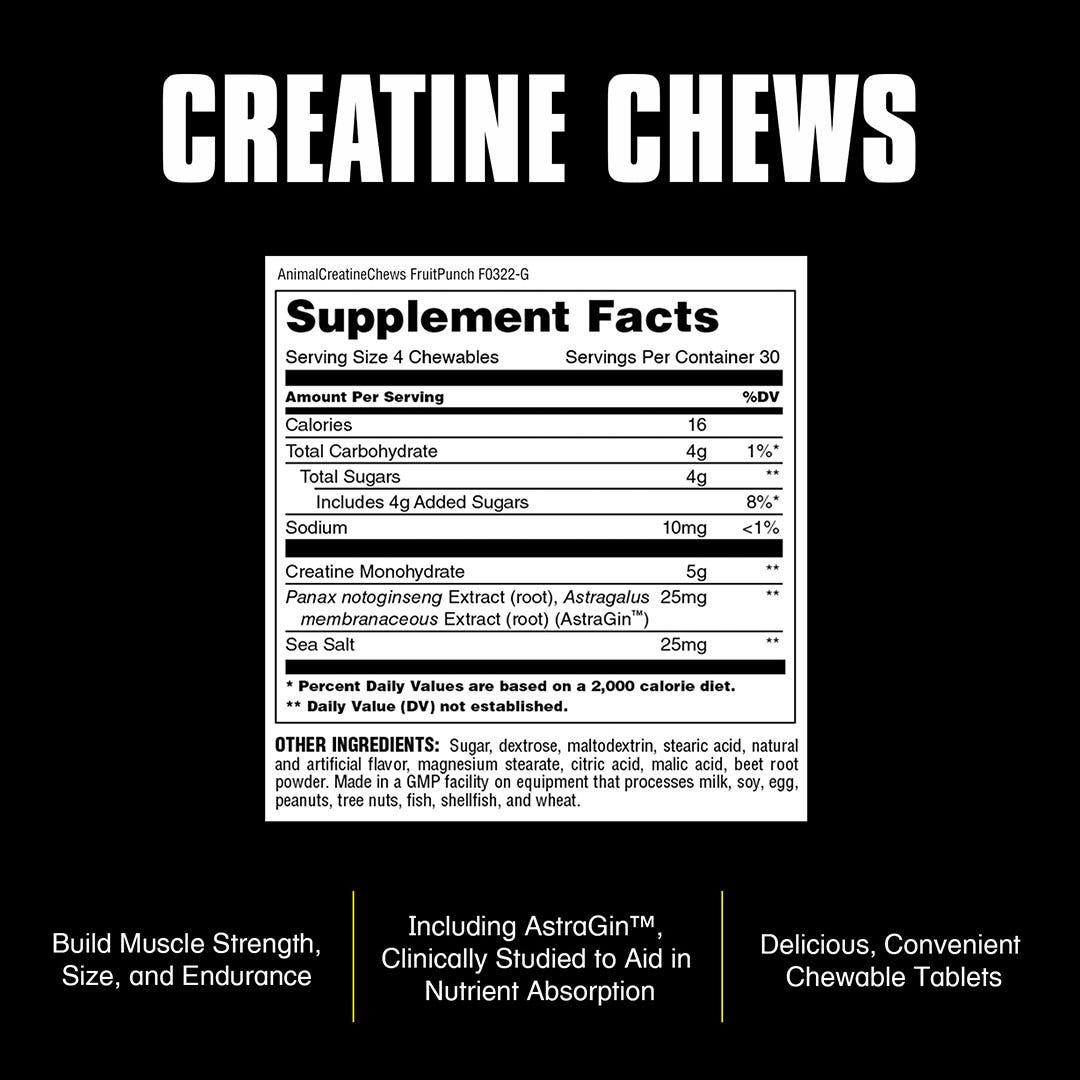
Carbs and creatine in a delicious chewable “candy” form factor – what more can you ask for?!
Although creatine is incredibly popular today, its manufacturers had to fight a lot of prejudice to get it where it is now. Believe it or not, when creatine first appeared on the scene, it was plagued by controversy from mainstream media (for instance, they were erroneously concerned about how it might affect kidney function). But now it’s 2022 and those concerns have been laid to rest, with new data on creatine showing that it’s safe and effective in both adults and adolescents.[1-3]
A 2021 analysis of the famous NHANES data (collected from 2017 to 2018) found no relationship between dietary creatine consumption (i.e., the creatine that occurs naturally in food) and kidney disease.[4] Regarding supplemental creatine, no less an authority than the Mayo Clinic states that creatine doesn’t appear to affect kidney function in healthy people.[5]
However, the key phrase there is “in healthy people”. Creatine may be unsafe for people with pre-existing kidney disease. If you aren’t sure how your body will react to creatine, ask your doctor about it.
The benefits of creatine
Now, with that out of the way, let’s talk about why creatine is so awesome.
There’s a mountain of research on creatine’s benefits for not just physical, but also mental performance. In clinical settings it has been shown to:
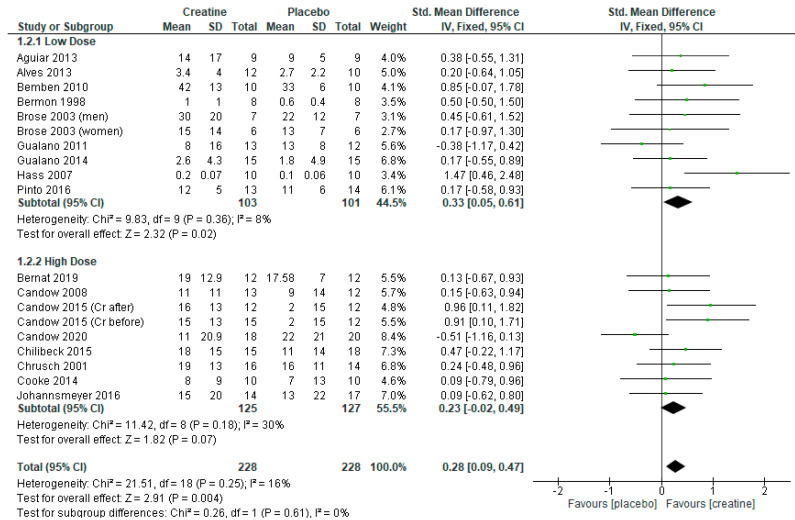
A 2021 meta-analysis on older adults showed significant bench press improvement.[6]
- Improve power output[7,8]
- Increase overall weight gain[8]
- Increase lean mass gain[8-12]
- Increase sprinting speed[13-15]
- Improve cellular hydration[16]
- Reduce fatigue[17-20]
- Increase overall sense of well-being[21-23]
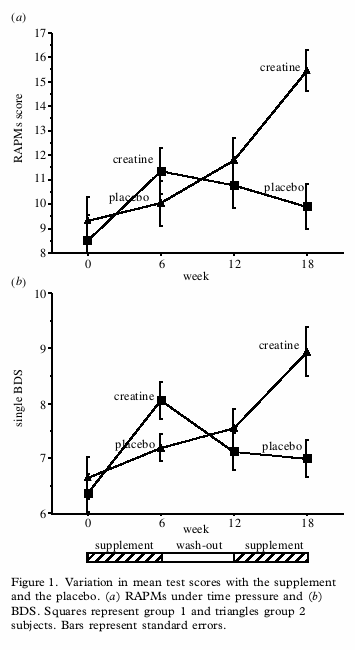
- Improve cognition (in vegans and vegetarians)[24,25]
- Slightly increase testosterone levels[26-30]
- Increase bone mineral density[11]
The last four items on that list are especially applicable to anyone who doesn’t eat a lot of meat, which is the primary dietary source of creatine. Vegans and vegetarians would obviously fall into this category, so if you’re eating a plant-based diet, it may be time to consider supplementing with creatine.
Now that the safety profile of creatine has largely been established, the industry has moved on to other questions: how much creatine people should take, what type, and whether certain ingredients can synergize with creatine.
Universal opted to use creatine monohydrate in these chews, which is not a bad choice at all: it’s by far the most researched form of creatine, practically proven to work.
Creatine’s mechanism of action
Looking over the list of creatine’s benefits that we gave you above, you might be struck by the incredible range of creatine’s effects on the human body. It seems as if there’s no major aspect of mental or physical functioning that isn’t affected by creatine supplementation.
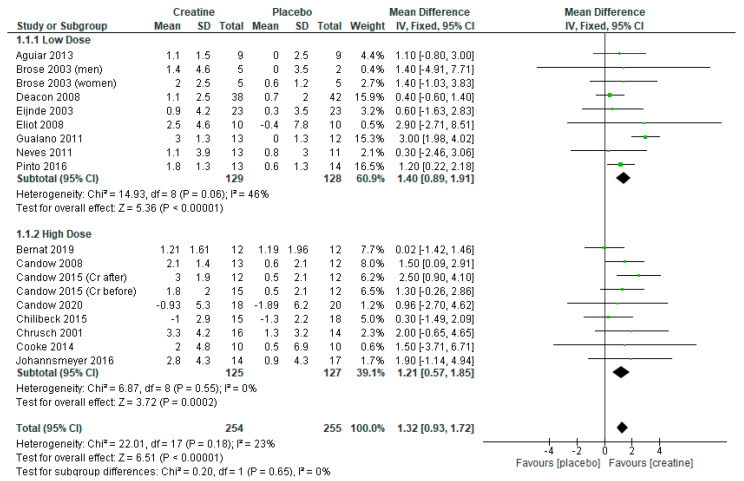
A 2021 meta-analysis on older individuals showed greatly improved lean tissue mass.[6]
This wide range of beneficial effects makes sense when you learn how creatine actually works. It affects one of the most fundamental metabolic processes in the human body – if not the most fundamental.
We’re talking about adenosine triphosphate (ATP) production.
Creatine facilitates ATP production by acting as a phosphate donor. By delivering phosphate groups to your cells’ mitochondria, the organelles responsible for synthesizing ATP, creatine enables those mitochondria to combine the phosphate with adenosine diphosphate (ADP), which converts ADP to ATP.[31-34]
Donating a single phosphate group might not seem like a big deal, but it is: the difference between ADP and ATP is the difference between unusable energy and usable energy.
If your body were an engine, ATP would be the gas. It’s the basic unit of energy that your body burns to perform all – and we mean all – cellular processes.
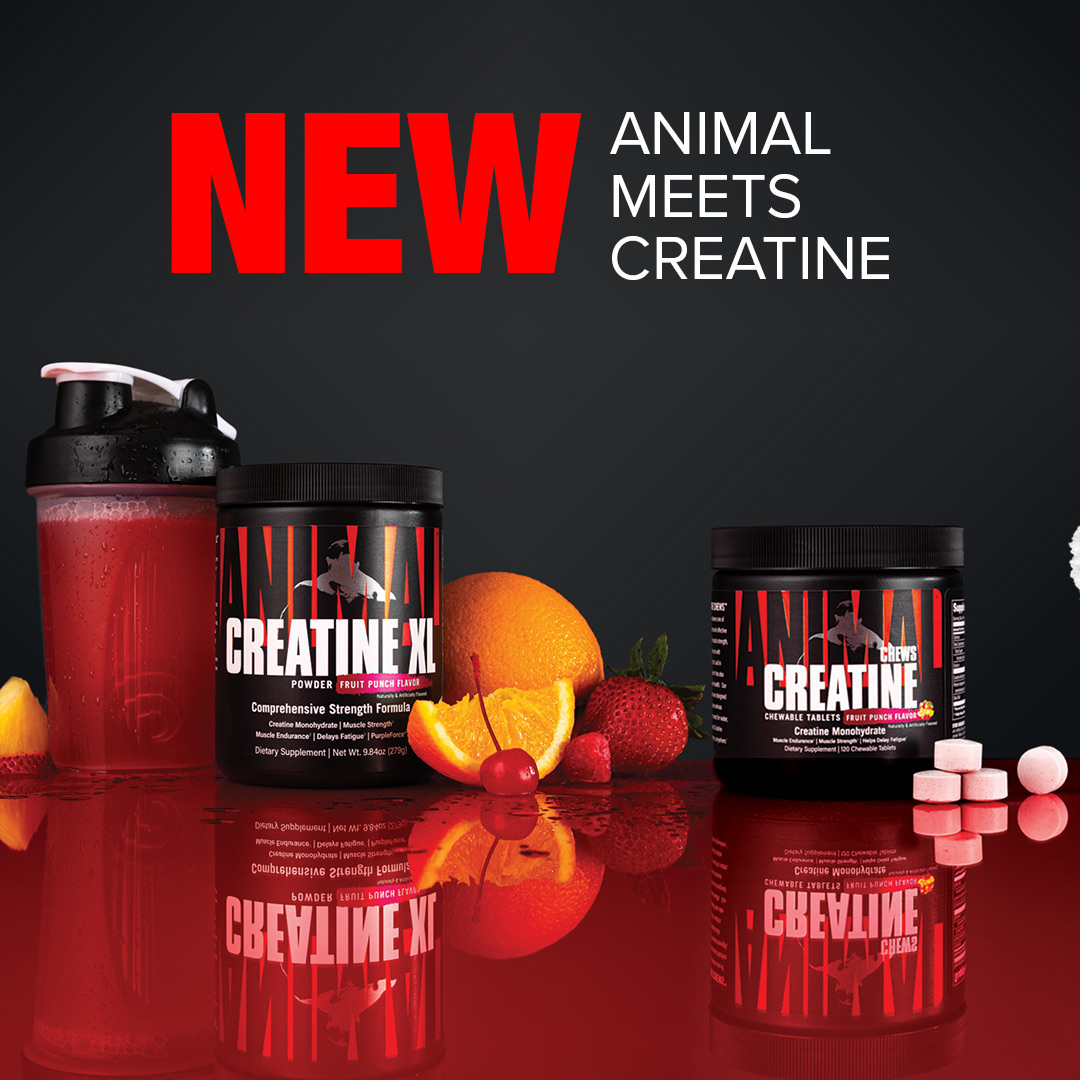
Would rather have a powder? Look into Universal’s Animal Creatine XL, which we’ll be covering next!
ADP is more like crude oil – it may have energy potential, but you can’t burn it in your engine as fuel.
Suffice it to say, producing enough ATP for your cells to use as much energy as they demand is unbelievably important for optimal physical and mental performance. Without gas, you can’t drive the car at all.
Unsurprisingly, not just muscle cells benefit from increased ATP production – all the cells in your body benefit, which is why you see effects like improved cognition from creatine supplementation.
On the other hand, having low ATP levels can be disastrous. In mild cases, it means suboptimal energy levels and impaired mental or physical performance – in worse cases, ATP deficiency can cause serious disease.[35]
Creatine isn’t the only factor in ATP production, but it’s a major one. And although your body can technically synthesize its own creatine, the process of making creatine is metabolically expensive, and ultimately diverts large amounts of cellular energy away from more useful tasks. Creatine supplementation can reduce your body’s energy overhead, freeing up energy for things like exercise or thinking, which is one reason why it can improve mental and physical performance.[36]
So what’s creatine monohydrate?
Creatine doesn’t just rev up your body: it also has clear benefits for your mind
Creatine monohydrate, as the name implies, consists of a creatine molecule bound to a single water molecule.[37]
Like we said, creatine monohydrate is the most-studied form of creatine by far, so if you want to take a proven form, monohydrate is what’s most often recommended.[2]
How much creatine should I take?
On average, this men lose about 1.6 to 1.7% of their total stored creatine each day.[38,39] For women, the number is a little less than that.[40]
In absolute terms, that means the average man loses about 2 grams of creatine daily.[40]
So supplementing with 2 grams per day would be a decent starting point if your goal is to maintain current creatine levels.
But we don’t want to just maintain creatine levels – we want to get our cells saturated with creatine. For us, then, approximately 2 grams per day is the bare minimum dose considered for supplementation.
Moreover, the precise amount of creatine that you excrete will also depend on the size and composition of your body, as well as your activity level. Larger, active people need more creatine, since creatine is depleted by exercise. One study found that exercise can increase urinary creatine excretion by up to 50%![41]
So if you’re active, that bumps your starting point up to 3 grams per day.
That’s why the industry has more or less settled on 5 grams per day as the standard dose of creatine. Just like creatine monohydrate is the most studied form of creatine, 5 grams per day is by far the most studied dose of creatine. If you’re taking 5 grams daily, you can rest assured that you’re getting the most out of your creatine budget.
The common practice is to begin creatine supplementation with a loading phase where you take 20 grams daily for 5 to 7 days. The efficacy of this practice is supported by research[35] – it does help you reach creatine saturation faster. However, for the overwhelming majority of people, 5 grams daily is enough to eventually saturate your creatine stores, even if it takes a little longer than it would with a loading phase.
Natural dietary sources of creatine

Another way to get some creatine in! Introducing Animal Beef Biltong from Universal Nutrition! If you haven’t researched biltong, now’s your chance. This stuff is unreal.
Beef is the best common dietary source of creatine, clocking in between 2 and 2.5 grams of creatine per pound of raw meat.[42,43] Chicken comes in second with a little less: 1.5 grams per pound.[44]
Technically speaking, herring (you know, the fish) is the best dietary source of creatine, with an incredible 3 to 4.5 grams of creatine per pound,[45] but very few Americans eat herring on a regular basis, so for most of us, beef is the best bet.
If you’re eating 2 pounds of beef, 3 pounds of chicken, or 1.5 pounds of herring every day, you probably don’t have to supplement with creatine, but again, this is an uncommonly high level of meat consumption by modern American standards.
Unfortunately, most Americans don’t get anywhere near enough creatine from their diet. The average American man gets about 1 gram of creatine from his food every day, and for women, that figure drops to 0.70 grams.[46]
Bottom line: if you follow anything approaching a normal American eating pattern, you probably should consider supplementing with creatine.
Source link