

Over the years, PricePlow has continually become more interested in supplement manufacturing, as it is the cornerstone basis of the entire industry. Good manufacturing quality and testing leads to safe, high-quality products for end consumer.
In Episode #068, we interviewed Matt Karich of Soul Performance Nutrition, who took us through his exhaustive process of finding a high-quality manufacturer that produce supplements that would pass rigorous tests and become BSCG Certified. It turns out, the manufacturer he ended up with was none other than Lief Labs.
So we began to talk more frequently with Lief Labs (and their sister subsidiary ingredient development business, Lief Raws), learning how they differentiate themselves from the rest of the supplement manufacturers out there. We’ve continually emphasized that dietary supplements are regulated (see Episode #100 with Dan Fabricant of the Natural Products Assocation), but what manufacturer takes these laws with the utmost seriousness? What manufacturer can provide additional services to help inexperienced operators make high-quality products?
An answer to both of those questions is Lief. So we brought Meg Ligot, Senior Product Development Manager at Lief Labs, to bring us through Supplement Manufacturing 101. It’s an informative and fun episode, and does a great job showcasing how Lief does things right. We also talk a bit about Lief Raws, flashing back to their unique Biozomal Caffeine product that we covered in the past.
It’s all covered below, and you can watch on YouTube or listen through Spotify or any RSS-capable podcast app:
0:00 – Introduction
Mike, Ben, and Meg kick off the podcast with an introduction on Lief Labs, a dietary contract manufacturer known for its exceptional quality. Lief’s been around since 2008, their CEO has a background in biochemistry, and his first job was in the industry.
Lief Labs started off on the right foot immediately by getting NSF Certified — NSF is a company that strictly enforces high quality and standards for manufacturers. Meg says that a key difference between Lief and other contract manufacturers is that they do everything product development wise right there in house, and can provide full supplement manufacturing services from ideation to creation.
3:30 – How Lief Works With Their Customers
Mike transitions from Meg’s statement of Lief playing a big role in formulation and bringing the product to life, but asks if it’s absolutely necessary if someone with a good formula comes in looking solely for manufacturing, especially if the budget is tight. Meg counters this by stating that Lief doesn’t even charge for product development – a huge bonus! Lief will work with any customer with the hope that if they are involved in the formulation process, they will be the manufacturer for that product. If it doesn’t work out, they are still happy to have helped someone in the industry.
6:00 – Example of the process with Lief as a new brand owner
Ben puts himself in the shoes of a new brand owner who wants to produce a pre-workout supplement, but has little to no knowledge or experience on how to do so. He asks Meg what his experience would be like when asking Lief for contract manufacturing services.
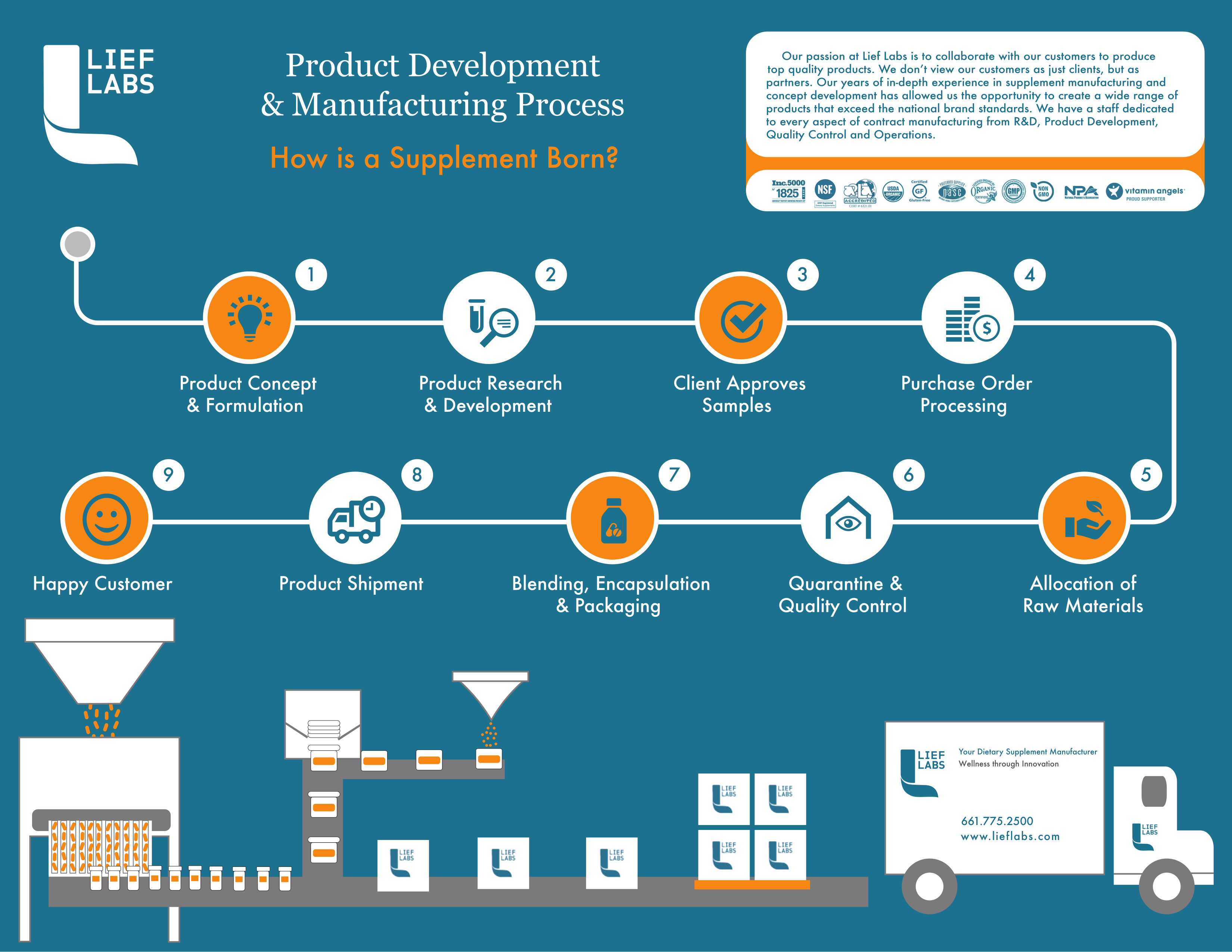
After reaching out to Lief, you will first go through a couple of introductory questions such as “What is it that you’re looking for?”, “Do you have a formula in mind?”, “What does your customer look like?” and “What is it that your customer is looking for?”
If you can articulate who your customers are, then Lief can help you build a better supplement for them.
8:15 – NSF Certification and Continuing the Formulation Process
Getting Drug Tested? Stick with NSF Certified Supplements
Ben goes on to ask Meg how the NSF certification plays a role in the situation he just played out formulating a new pre-workout. This transitions into talking about Lief’s ingredient vendors and how their standards must be as high as Lief’s to ensure that the customer is getting the highest quality ingredients. Once a formula is nailed down, a quote will be put together, and from there adjustments can be made as necessary.
12:00 – How the costs break down
Mike asks Meg how early price is brought into the product development process and all the factors that really go into it. Meg talks about how it’s involved almost the whole time because there’s so much that goes into: target demographic and their price point, target retail price, ingredient costs, packaging and labels, volume of the order, and more.
Ben asks if Lief will bring in new ingredients that they don’t carry, and they will try to do so (if it adheres to their standards and legal compliance), but understand that this plays into the cost and lead time of the final product.
15:40 – Prop 65 Warning and Legal Requirements
Mike asks about Prop 65 warnings and any other legal requirements that may come about and how Lief supports those. Meg answers by saying that if there are any specific testing measures or certifications that the customer is trying to get, it’s best to bring them up in conversation as early as possible since it starts with ingredient sourcing and dosages.
For example, if a customer needs to stay under 2 ppm (parts per million) for lead, they need to see what each ingredient yields for lead and adjust accordingly. This could lead to changing ingredient dosages in the formula, swapping out ingredients for others, or finding a new source of an ingredient that is yielding too high of lead. All of these factors can affect lead time and bring on other potential risks to the product.
19:40 – Product minimums and what they can do
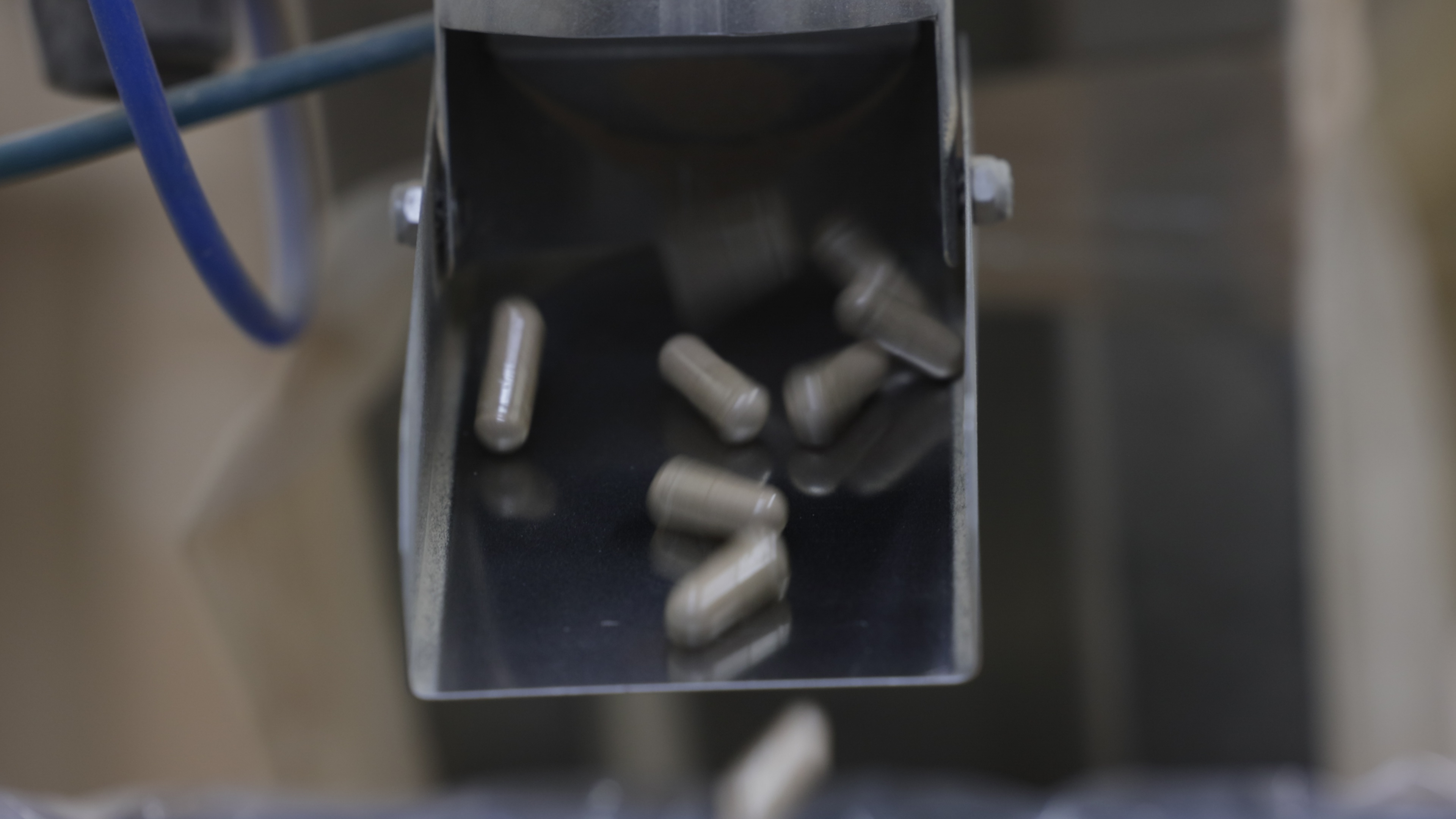
As of right now, the product manufacturing minimums are 2500 units for powders (per flavor) and also 2500 units for capsule products. There is some flexibility since not every customer and situation is the same, which is a nice feature of Lief Labs. They are a dry powder manufacturer, meaning they can do powders, capsules, and tablets – including chewable tablets.
21:30 – Flavoring and sampling
Preliminary cost includes formula, packaging components, flavoring placeholder, manufacturing, and labor. From there the R&D process is started and flavor is discussed.
In Ben’s example role he’s been playing for the podcast, he brings up that he likes mango flavor but isn’t a cherry fan. Meg talks about what goes into flavoring and how certain flavors may not work with the ingredients that are inside the product. Meg shares a funny story of her in the R&D lab only 4 days into the job and having to taste raw theacrine and chase it with a Girl Scout Cookie to get rid of the bad taste.
26:00 – Masking ingredient tastes that may not be pleasant
Ben and Mike ask Meg how they would deal with an ingredient that may not taste great but the customer really wants to have it in their product.
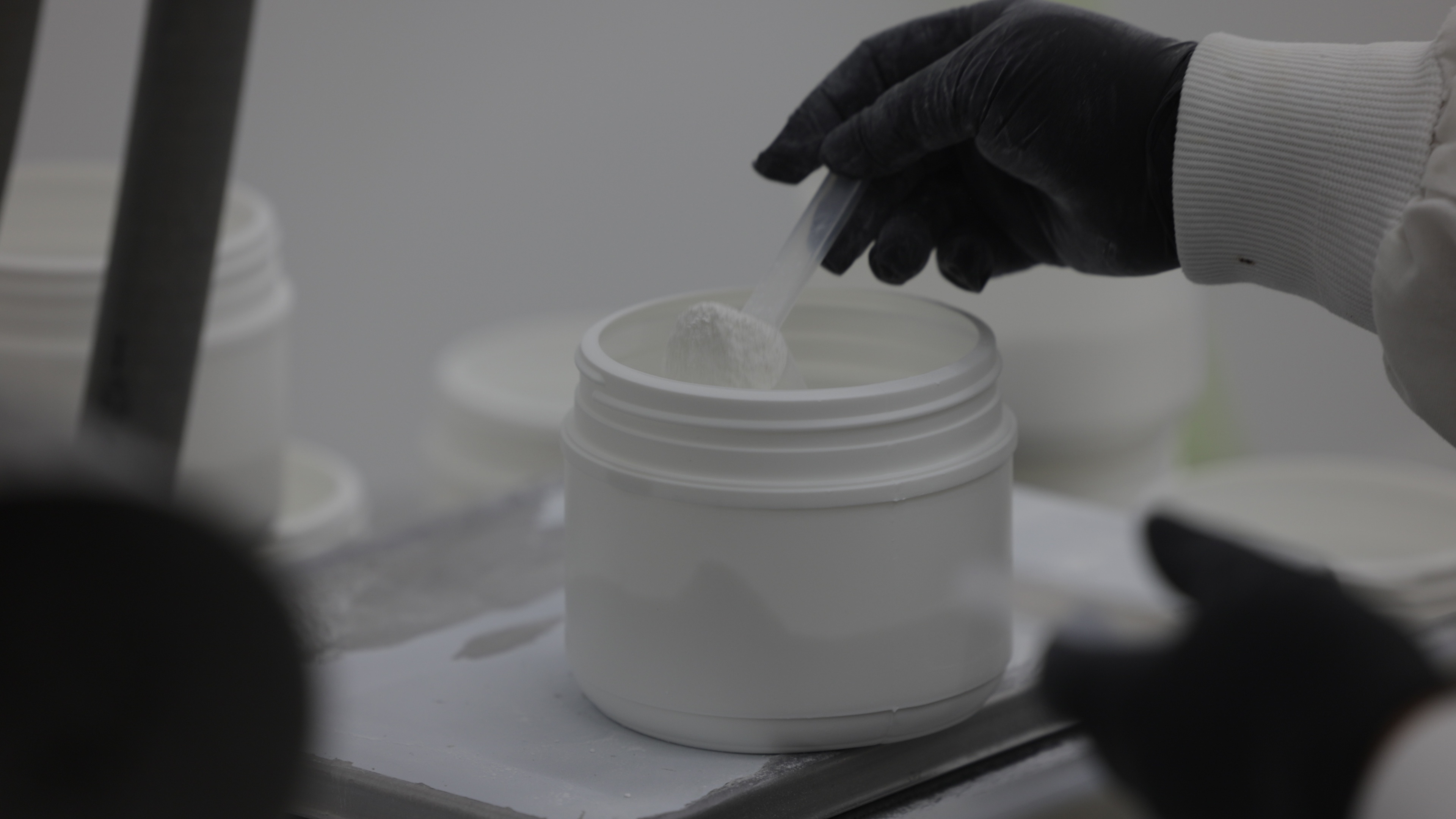
She asks if the customer would want to flavor and sweeten naturally, or can there be artificial ingredients like sucralose inside? Sucralose can mask flavors a lot better than natural sweeteners can, so choosing your demographic and ingredients wisely early on is super important.
If going natural, Lief will tap in with their experts and partners to find a solution to make your product taste as good as possible – but it’s definitely more of a challenge since stevia and other natural sweeteners are not as sweet as sucralose.
28:40 – Natural vs. artificial flavors
Mike asks what the difference between natural and artificial flavors are, with Meg responding by saying natural flavors are made from extracts and powders from natural ingredients, like a strawberry. Artificial flavors are made synthetically and are not necessarily derived from nature or made using natural extracts.
30:15 – Flavor is picked, what’s next?
After Ben chooses sucralose for a sweetener, it’s now time to get into the lab to try a couple of different flavors. The samples are shipped out or you can spend time in the lab yourself. From there, Meg collects information on what could be tweaked to make the flavors taste as good as possible. Some of the adjustments that can be made are adding more flavor or sweetener, adjusting acid levels, or even swapping the types of acids used, such as citric and malic acids.
35:00 – Meg’s background

Meg’s background is in biochemistry, attending Mount Saint Mary’s in Los Angeles. She got a job at a gym and started noticing that the gym was selling supplements with ingredients inside that she was studying in school, which piqued an interest. She tried her first pre-workout and got the infamous beta-alanine tingles, and ended up writing her senior thesis on what it does to your body.
Through connections in the gym, this led to her applying for a job at Lief, and the rest is history.
43:00 – Next steps for product
Next up is certifications and testing requirements that the customer may be seeking for their product. Lief works to help you obtain any certifications or perform any testing that you seek, whether it be testing levels of certain ingredients or getting the product non-GMO verified. After that, the supplement facts panel needs to be laid out, whether it lists all the ingredients and their exact amounts or it’s (unfortunately) a proprietary blend. The good thing about Lief is that even if there is a prop blend, they still test as normal and can make label claims, which you don’t see often.
50:15 – Finally, manufacturing!
Based on the finished formula with all the ingredients, flavoring, and sweetening, Lief will choose an appropriate bottle size and lid. They don’t have a design team in house to make labels, but have a lot of great connections that they can refer you to (see Episode #087 with Taylor Knox of NutraMedia for a great example) and will check over everything in house as another regulatory set of eyes.
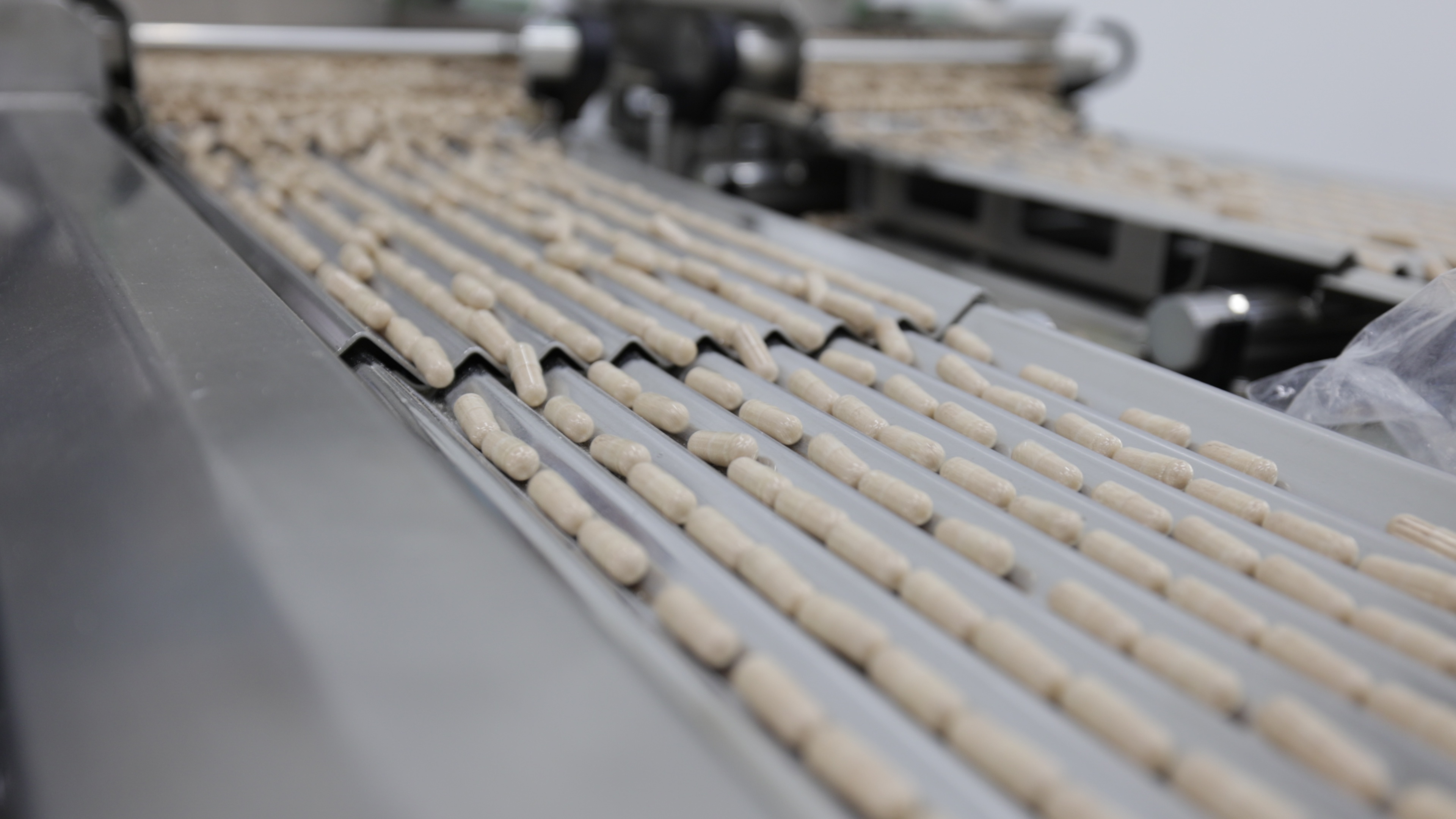
In terms of lead time for both capsules and powders, in our example case 5000 units, it’s currently about 8-10 weeks until the product is manufactured, but don’t quote this because it’s always changing.
There’s a ton of stuff that happens between the customer placing the order and it finishing. The account manager will be in regular contact with the brand owner to get labels, take care of certifications, and handle any other items that will be needed to get everything done as required.
Thanks to Meg and Lief Labs for joining us! Return to the PricePlow Podcast and don’t forget to subscribe and leave a review on the platform of your choice.
Source link